فريق الدراسة المستقل
فريق خارجي من 16 عضواً كلفته ناسا بالتوصية بكيفية دعم الوكالة لبحوث UAP المستقبلية الصارمة.
- تاريخ التأسيس
- 2022
- الحالة
- مكتملة
- البلد
- الولايات المتحدة
- المنظمة الأم
- الإدارة الوطنية للملاحة الجوية والفضاء
- انتهت
- 2023
لمحة عامة
في يونيو/حزيران 2022، كلفت ناسا فريق الدراسة المستقلة بشأن UAP بفحص الكيفية التي يمكن بها لبيانات الحكومة المدنية والأساليب العلمية والرصد المستقبلي تحسين دراسة الظواهر الشاذة غير المحددة (UAP). وضم الفريق الخارجي المؤلف من 16 عضواً خبرات في علم الفلك ورصد الأرض والطيران والذكاء الاصطناعي وعلم البيانات والسلامة العامة.
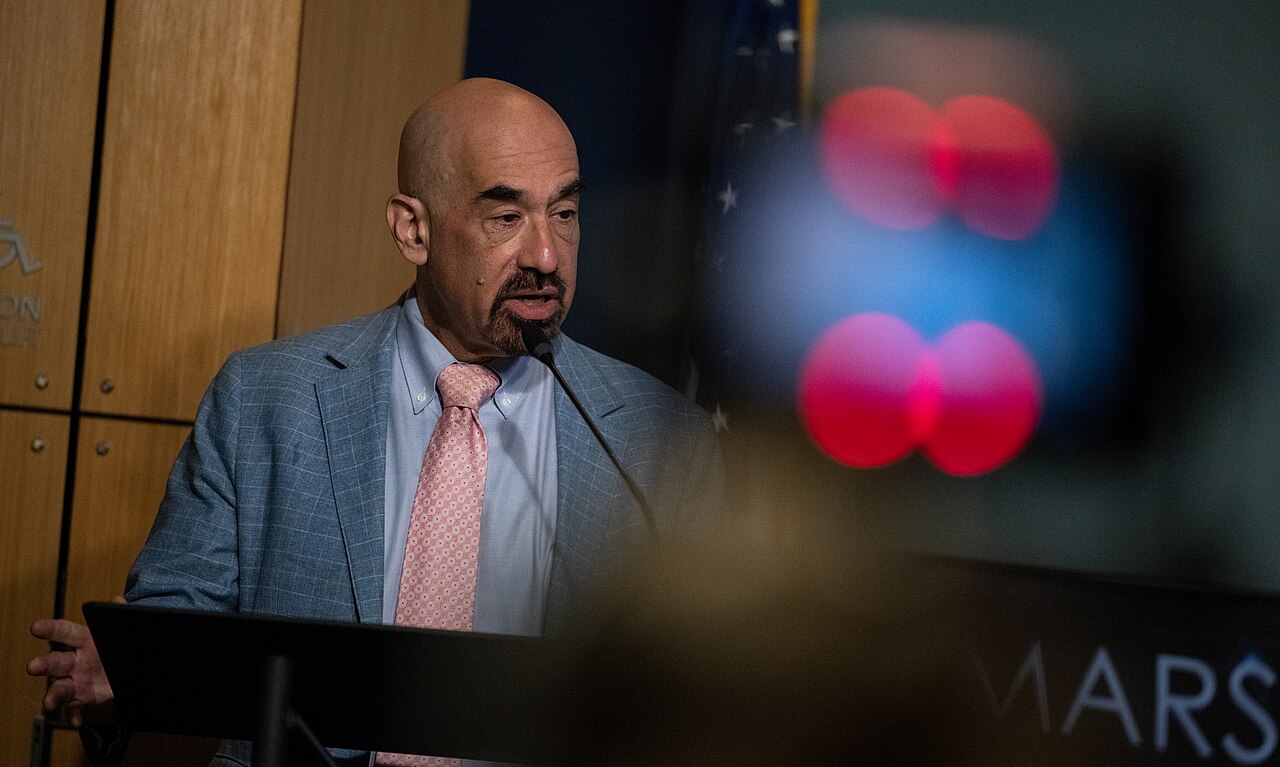
لم يُعِد الفريق التحقيق في الحوادث التاريخية، ولم يحدد ما إذا كان لأي تقرير منشأ غير عادي. وكان اختصاصه منهجياً: تقييم بيئة البيانات، وتحديد مشكلات جمعها، والتوصية بكيفية دعم قدرات ناسا الحالية للعمل المستقبلي.
اعتبر التقرير النهائي، الصادر في 14 سبتمبر/أيلول 2023، ضعف المعايرة وفقدان البيانات الوصفية وعدم اتساق الإبلاغ عوائق رئيسية أمام التحليل. وأوصى بالاستخدام المنهجي لقدرات ناسا، وتحسين الإبلاغ العام، والتعاون مع AARO، والتطبيق الانتقائي لأدوات التعلم الآلي على مجموعات بيانات جيدة التصنيف.
الغرض والتقديم
- تقييم البيانات المدنية والتجارية التي قد تدعم بحوث UAP المستقبلية.
- التوصية بتحسين جمع البيانات وتوحيدها والتواصل مع الجمهور.
- تقديم المشورة لناسا بشأن استخدام قدراتها العلمية وفي رصد الأرض وسلامة الطيران.
الطرائق والنواتج
الطرائق
- استعراض مجموعات البيانات المدنية المفتوحة ونظم الإبلاغ
- اجتماعات الخبراء العامة
- التقييم المتعدد التخصصات والتوصيات
النواتج الرئيسية
- أيلول/سبتمبر 2023 التقرير النهائي
- جلسات عامة ومواد إحاطة
- توصيات بشأن الدور البحثي المستمر الذي تضطلع به الوكالة
- مسار الإبلاغ
- لا تقبل تقارير المشاهد العامة
- توافر البيانات
- التقرير النهائي ومواد الاجتماعات العامة المتاحة
التاريخ
-
حزيران/يونيه 2022
الدراسة المطلوبة
وأعلنت وكالة ناسا دراسة مستقلة تركز على البيانات والأساليب العلمية بدلا من استعراض الحالات التاريخية. وقد عُين ديفيد سبيرغل رئيسا، وعمل دانييل إيفانز كضابط اتحادي معين في الوكالة.
-
24 تشرين الأول/أكتوبر 2022
العضوية المعلنة
سمّت ناسا فريقاً من 16 عضواً تضم خبراتهم البحث العلمي والطيران والتكنولوجيا والاتصالات وتحليل المشاهدات السرية أو الحساسة.
-
31 أيار/مايو 2023
جلسة عامة
وناقش الفريق نوعية البيانات والإبلاغ عن الوصم والمساهمات المحتملة للحكومة المدنية خلال دورة عامة. وكشف الاجتماع اتساع نطاق مصادر البيانات المحتملة وصعوبة الجمع بين الملاحظات التي يتم جمعها لأغراض مختلفة.
-
14 أيلول/سبتمبر 2023
التقرير النهائي
نشر الفريق توصياته وأكمل مدة الدراسة المكلف بها. وأعلنت ناسا، بصورة منفصلة، تعيين مدير لبحوث UAP لتنسيق أنشطة الوكالة اللاحقة.
النتيجة والإرث
الدراسة الاستشارية المنجزة
لم يعد الفريق المستقل نشطاً. ويشكل اجتماعه العام وتقريره النهائي والمواد الداعمة التي نشرتها ناسا سجل عمله.
توصيات البيانات والإبلاغ
يوصي التقرير ببيانات وصفية أفضل، ومشاهدات معايرة، وبيئة إبلاغ تحد من الوصمة المهنية. وهذه توصيات برنامجية لا نتائج بشأن جسم أو حدث بعينه.
متابعة الوكالة
ذكرت ناسا أنها ستعين مديراً لبحوث UAP وستنسق مع AARO. وترتبط أنشطة الوكالة المستمرة هذه مؤسسياً بفريق الدراسة المستقلة المكتمل، لكنها منفصلة عنه.
الناس الرئيسيون
David Spergel
الرئيس
عالم الفيزياء الفلكية الذي قاد فريق الدراسة المستقل
دانييل إيفانز
مسؤول دراسة ناسا
وعمل كضابط اتحادي معين في وكالة ناسا للدراسة.
المنظمات ذات الصلة
تقييم الأدلة
غيّر فريق دراسة ناسا شروط النقاش العام أكثر مما غيّر سجل الحالات. فقد تناول تقريره UAP بوصفها مشكلة في جودة البيانات والمعايرة والبيانات الوصفية وممارسات الإبلاغ، وسأل كيف يمكن لوكالات العلوم المدنية تحسين الدراسة مستقبلاً. ولم يحقق الفريق في السجل التاريخي ولم يحدد فئة جديدة من الأجسام.
وتتفق توصياته مع المتطلبات العلمية العادية: تحديد المسألة، وفهم كيفية إنتاج جهاز الاستشعار قياسا، والحفاظ على البيانات السياقية، وجعل التحليلات قابلة للاستنساخ. وتعطي مشاركة ناسا هذه المبادئ صورة مؤسسية، ولكن التقرير ذو طابع استشاري. وهي لا تبين وجود مجموعات بيانات مناسبة الآن أو أن ترتيبات التنسيق والإبلاغ المقترحة قد نفذت بالكامل.
ولذلك، ينبغي تقييم الفريق المنجز من خلال وضوح تشخيصه المنهجي ومن خلال المتابعة اللاحقة للوكالات. ولا تزال المطالبات المتعلقة برؤية معينة تتطلب أدلة محددة؛ ويوفّر التقرير إطاراً لجمع تلك الأدلة بدلاً من استنتاجها مسبقاً.
النطاق والحدود
ما يدعمه السجل
- أدخل وكالة كبرى للعلوم المدنية في نقاش UAP من خلال مراجعة عامة تقودها المنهجية.
- يضع المعايرة والبيانات الوصفية وسياق المستشعر وقابلية التكرار قبل الاستنتاجات المستمدة من مشاهدات محدودة.
- وأنشأ تمييزا عمليا بين دراسة مشكلة الإبلاغ والبيانات والتأكيد على أنه تم تحديد ظاهرة بدنية جديدة.
حدود التفسير
- لم يحقق الفريق في الحالات السابقة ولم ينشئ قاعدة بيانات للحالات.
- وتقريرها هو خريطة طريق ومنتج استشاري، وليس دليلا على أن وكالة ناسا حددت ظاهرة جديدة.
ملاحظة: يصف التقرير النهائي كيفية دراسة UAP بصورة أكثر فعالية؛ ولا ينبغي عرضه بوصفه استنتاجاً من ناسا بشأن منشأ أي حدث بعينه.
المصادر
والمصادر مجمّعة بإثباتها بحيث لا تزال السجلات الرسمية، وحساب المنظمة ذاتها، ومنشورات البحث والتحليل المستقل قابلة للتمييز.
الوثائق الرسمية 2 المصادر
-
الرسمي
NASA — UAP Independent Study resource
يقدم بيان المهمة والعضوية والاجتماعات والتقرير النهائي.
-
الرسمي
NASA — UAP Independent Study Team final report
ويحدد تحليل الفريق وتوصياته.