The Sol Foundation
معهد بحثي ومنظمة سياسات غير ربحية تدرس الآثار العلمية والاجتماعية والقانونية والحكومية للظواهر الشاذة غير المحددة.
- التأسيس
- 2023
- الحالة
- نشطة
- البلد
- الولايات المتحدة
- الجهة الأم
- منظمة مستقلة غير ربحية
نظرة عامة
مؤسسة Sol منظمة غير ربحية مقرها كاليفورنيا، أطلقها اختصاصي علم الأمراض غاري نولان وعالم الأنثروبولوجيا بيتر سكافيش في أغسطس 2023. وهي تتناول الظواهر الشاذة غير المحددة بوصفها مسألة بحث وسياسات متعددة التخصصات تمتد إلى العلوم الطبيعية والاجتماعية والإنسانيات والقانون والحكومة.
يتألف سجل المؤسسة العام أساسًا من أوراق سياسات ومؤتمرات ومقابلات ومواد تعليمية ودعوة إلى مزيد من الشفافية الرسمية والمشاركة الأكاديمية. توثق هذه المخرجات حججًا وأطرًا مقترحة؛ وتتطلب مقدماتها واستنتاجاتها تقييمًا في ضوء الأدلة التي يستشهد بها كل منشور.
الغرض والاختصاص
- دعم البحث متعدد التخصصات في الطبيعة المحتملة للظواهر الشاذة غير المحددة وآثارها الأوسع.
- إنتاج تحليلات وتوصيات في السياسات للحكومات والمؤسسات العامة.
- جمع الباحثين والمسؤولين السابقين وصناع السياسات وغيرهم من المشاركين عبر الندوات والبرامج العامة.
- تعزيز المشاركة الأكاديمية والشفافية الحكومية وتطوير البنية الأساسية للبحث.
الأساليب والمخرجات
الأساليب
- تحليل السياسات والبحث المكلف
- مؤتمرات أكاديمية وموجهة إلى الحكومة
- النشر والتثقيف العام
المخرجات الرئيسية
- أوراق سياسات وأوراق بيضاء
- ندوات سنوية وعروض مسجلة
- توصيات مؤسسية بشأن بحث الظواهر الشاذة غير المحددة وحوكمتها
- مسار الإبلاغ
- لا تقبل بلاغات المشاهدات العامة
- إتاحة البيانات
- المنشورات وتسجيلات مختارة للفعاليات متاحة
التاريخ
-
15 أغسطس 2023
إطلاق المؤسسة
قدمت Sol نفسها بوصفها معهدًا للبحث والسياسات يقوده غاري نولان وبيتر سكافيش، وله برنامج متعدد التخصصات بوضوح.
-
17–19 نوفمبر 2023
عقد الندوة الأولى
جمعت الندوة الافتتاحية في ستانفورد أكاديميين ومسؤولين سابقين وصحفيين ومناصرين لتقديم عروض عن الأدلة والسياسات والآثار الاجتماعية.
-
2023–26
تطوير سلسلة السياسات
نشرت المؤسسة أوراقًا عن الرقابة وسلامة الطيران والإفصاح والحوكمة الدولية والسيناريوهات المشروطة المتعلقة بتكنولوجيا متقدمة مزعومة.
-
2026
توسيع العلاقات الاستشارية
ذكرت Sol أن عددًا من أعضاء قيادتها وشبكتها الاستشارية انضموا إلى مجلس العلوم الاستشاري للظواهر الشاذة غير المحددة التابع لحكومة الولايات المتحدة. وخدمتهم في المجلس منفصلة مؤسسيًا عن عمل المؤسسة.
العمل الحالي
منشورات السياسات
تكلف Sol بإعداد أوراق عن المسائل الحكومية والقانونية والأمنية والاجتماعية وتنشرها. وتحلل بعض المنشورات سيناريوهات مشروطة، وينبغي قراءتها بوصفها نمذجة للسياسات لا دليلًا على وجود السيناريو المفترض.
تطوير البحث
تروج المؤسسة لمشروعات مقترحة في العلوم والعلوم الاجتماعية، ومنها دراسة استجابات الجمهور لأشكال مختلفة من الإفصاح عن الظواهر الشاذة غير المحددة.
الندوات والتثقيف العام
تربط المؤتمرات والمحاضرات المسجلة ومنتدى Sol بين وجهات نظر أكاديمية وسياسية وتجارب المشاركين وتعرضها لجمهور أوسع.
التواصل مع الحكومة
يدعو قادة المؤسسة إلى الشفافية ويقدمون خبرة في السياسات، بينما يعمل بعضهم أيضًا بصورة منفصلة في هيئات استشارية أو حكومية.
الشخصيات الرئيسية
Garry Nolan
شريك مؤسس ومدير تنفيذي لمجلس الإدارة
يسهم في تشكيل البرنامج العلمي للمؤسسة وموقفها العام.
Peter Skafish
شريك مؤسس ومدير تنفيذي
يقود برنامج المؤسسة البحثي والسياساتي والمؤسسي.
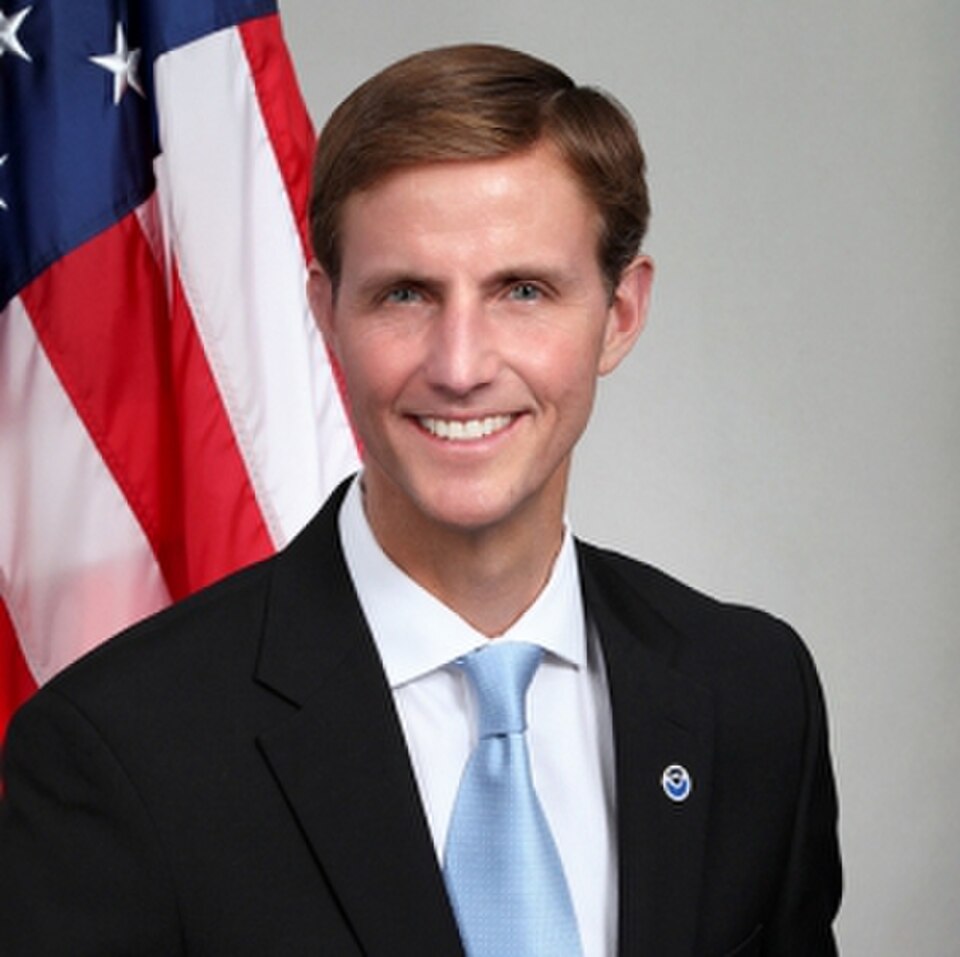
Tim Gallaudet
مستشار أول
يسهم بخبرة بحرية ومحيطية وفي السياسات العامة.
Karl Nell
مشارك ومساهم في السياسات
قدم إطارًا مقترحًا للإفصاح عبر فعاليات Sol.

Avi Loeb
عضو في المجلس الاستشاري
يربط شبكة Sol بمشروع غاليليو والعمل الاستشاري العلمي.
منظمات ذات صلة
تقييم الأدلة
تُفهم مؤسسة Sol على نحو أفضل بوصفها جهة تجمع البحث والسياسات، لا سلطة للتحقيق في الحالات. تجمع مؤتمراتها وأوراقها وجهات نظر علمية وقانونية واجتماعية وحكومية وتجارب مشاركين في برنامج واحد. ويوسع ذلك النقاش من تحديد الأجسام إلى قانون الإفصاح والتصميم المؤسسي والنتائج الاجتماعية المحتملة لاكتشافات مستقبلية.
يتطلب هذا الاتساع فصلًا دقيقًا بين المصادر. يسجل عرض المؤتمر موقف المتحدث، وورقة المؤسسة حجة لمؤلفها، ويظل المقترح المبني على تكنولوجيا محتملة غير بشرية مشروطًا بمقدمة قد لا تثبتها الورقة نفسها. وتبين صلات الأفراد بهيئات استشارية حكومية أو مشروعات بحثية أخرى شبكة مشاركة، لا اتفاقًا بين المنظمات أو تبنيًا رسميًا لرأي.
يمكن تقييم تأثير المؤسسة من خلال وضوح أساليبها والأدلة الواردة في كل منشور وأي اعتماد موثق لدى الباحثين أو صناع السياسات. ويشكل المشاركون البارزون والبرامج الطموحة سياقًا مهمًا، لكنهما لا يحلان محل العمل المكتمل أو المراجعة المستقلة.
النطاق والحدود
ما الذي يدعمه السجل
- أنشأت Sol منتدى دوريًا يضع وجهات النظر الأكاديمية والحكومية وتجارب المشاركين في حوار مباشر.
- توسع منشوراتها تحليل الظواهر الشاذة غير المحددة من تحديد الحالات إلى التصميم المؤسسي والقانون والسياسات العامة والاستجابة الاجتماعية.
- يُفضّل تقييم تأثير المؤسسة من خلال جودة كل مخرج ومدى اعتماده، لا من خلال شهرة المشاركين وحدها.
حدود التفسير
- تتبنى Sol موقفًا مؤسسيًا مؤيدًا لتوسيع البحث والإفصاح؛ ولذلك ينبغي تقييم منشوراتها بوصفها حججًا لمؤلفيها لا تقارير إجماع محايدة.
- تثبت المشاركة في مؤتمر عرض وجهة نظر، لا إقرار المؤسسة أو مجتمع البحث الأوسع بها.
- يمكن للتحليل المشروط لتكنولوجيا مزعومة غير بشرية أن يوضح خيارات السياسة من دون إثبات الادعاء الأساسي.
ملاحظة حول الأدلة: منشورات Sol منتجات مؤسسية للسياسات والبحث. ينبغي تقييم حججها في ضوء الأدلة المستشهد بها، وهي لا تعادل نتائج حكومية أو إعادة إنتاج مستقلة.
المصادر
جُمعت المصادر بحسب منشئها لكي تظل السجلات الرسمية ورواية المنظمة عن نفسها والمنشورات البحثية والتحليلات المستقلة متميزة.
المصادر المؤسسية ومصادر المشاركين4 مصادر
-
مؤسسي
مؤسسة Sol — الموقع الرسمي
يصف البحث الحالي وبرنامج السياسات وقيادة المؤسسة.
-
مؤسسي
إعلان إطلاق مؤسسة Sol
يوثق أهداف التأسيس والقيادة والبرنامج الأولي.
-
مؤسسي
المؤتمر السنوي الافتتاحي لمؤسسة Sol
يوثق المشاركين والنطاق الموضوعي للندوة الأولى.
-
مؤسسي
منشورات مؤسسة Sol
يوفر سلسلة أوراق السياسات المستخدمة لتقييم المخرجات الموضوعية للمؤسسة.