UAP Science Advisory Council
Regierungsnaher Wissenschaftsrat, der 2026 öffentlich als unabhängiger technischer Berater der US-amerikanischen UAP-Governance-Struktur beschrieben wurde.
- Gegründet
- 2026
- Status
- Aktiv
- Land
- Vereinigte Staaten
- Übergeordnete Organisation
- UAP Governance Board / Office of the Director of National Intelligence
Überblick
Der UAP Science Advisory Council (UAPSAC) ist ein regierungsnahes Beratungsgremium der Vereinigten Staaten, dessen Existenz im Juni 2026 öffentlich bekannt wurde. Teilnehmerberichte und Medienberichte unter Berufung auf das Office of the Director of National Intelligence (ODNI) beschreiben ihn als Gremium aus Wissenschaftlern und technischen Fachleuten, das ein staatliches UAP Governance Board berät. Er wird nicht als Falluntersuchungsstelle, operatives Kommando oder Einstufungsbehörde dargestellt.
Diese Unterscheidung ist wichtig, weil der Rat externe wissenschaftliche Fachkenntnis mit staatlichen Beratungen verbindet, ohne die unabhängigen Projekte oder früheren Schlussfolgerungen seiner Mitglieder in Bundespolitik zu überführen. Avi Loeb führt den Rat; mehrere genannte Mitglieder sind auch im Galileo Project oder in der Sol Foundation tätig. Diese personellen Verbindungen machen die Organisationen nicht institutionell gleich.
Die öffentliche Dokumentation bleibt unvollständig. Keine eigene Regierungsseite bündelt derzeit Satzung, vollständige Mitgliedschaft, Sitzungsprotokolle oder erteilte Empfehlungen. Aussagen von Teilnehmern und verbundenen Organisationen belegen daher nur deren Darstellung der Ratsarbeit; unabhängige Berichte und künftige Primärunterlagen sind nötig, um seine Tätigkeit genauer zu bestimmen.
Zweck und Auftrag
- Den staatlichen UAP-Steuerungsprozess wissenschaftlich und technisch beraten.
- Forschungsfragen, Evidenzstandards und mögliche Wege fachübergreifender Analyse bewerten.
- Das UAP Governance Board beraten, ohne die operativen Zuständigkeiten von AARO oder beteiligten Behörden zu ersetzen.
Methoden und Ergebnisse
Methoden
- Fachberatung
- Beratungssitzungen und technische Prüfung
- Fachübergreifende wissenschaftliche Bewertung
Wichtigste Ergebnisse
- Empfehlungen an das UAP Governance Board
- Empfehlungen zu wissenschaftlichen Methoden und Forschungsprioritäten
- Autorisierte öffentliche Teilnehmerberichte
- Meldeweg
- Nimmt keine öffentlichen Sichtungsmeldungen entgegen
- Datenverfügbarkeit
- Öffentliche Dokumentation derzeit begrenzt
Geschichte
-
Juni 2026
Rat öffentlich bekannt gegeben
Teilnehmer und Nachrichtenmedien berichteten über die Bildung von UAPSAC und nannten den Harvard-Astronomen Avi Loeb als Vorsitzenden. Unabhängige Berichte verwiesen auf eine Bestätigung der breiteren Beratungsstruktur durch das ODNI.
-
Juni–Juli 2026
Erste Mitgliedschaft beschrieben
Mitteilungen von Teilnehmern und verbundenen Organisationen nannten Fachleute aus Astronomie, Medizin, Ingenieurwesen, Politik und verwandten Bereichen. Eine vollständige offizielle Liste und Ernennungsunterlagen waren noch nicht veröffentlicht.
-
Seit 2026
Beratungsarbeit beginnt
Öffentliche Darstellungen beschreiben ein frühes Programm wissenschaftlicher Beratung für das Governance Board. Die öffentlichen Akten nennen noch keine bestimmten Empfehlungen, die von der Regierung übernommen wurden.
Aktuelle Arbeit
Wissenschaftliche und technische Beratung
Der Rat soll wissenschaftliche Fragen, Evidenzstandards und Forschungsprioritäten für den staatlichen Steuerungsprozess prüfen. Veröffentlichte Darstellungen übertragen ihm keine Verantwortung für die Annahme oder Klärung einzelner Meldungen.
Fachübergreifende Konsultation
Seine gemeldete Mitgliedschaft bringt mehrere wissenschaftliche und politische Fachrichtungen in den Beratungsprozess ein. Der Wert dieser Struktur wird vom Umfang des Zugangs, dokumentierten Methoden und der späteren Prüfbarkeit von Empfehlungen abhängen.
Institutioneller Aufbau
Satzung, Protokolle und formelle Ergebnisse liegen weitgehend außerhalb des öffentlichen Bestands. Künftige Primärunterlagen müssen zeigen, wie Mitglieder ernannt, Interessenkonflikte behandelt und Empfehlungen berücksichtigt werden.
Schlüsselpersonen

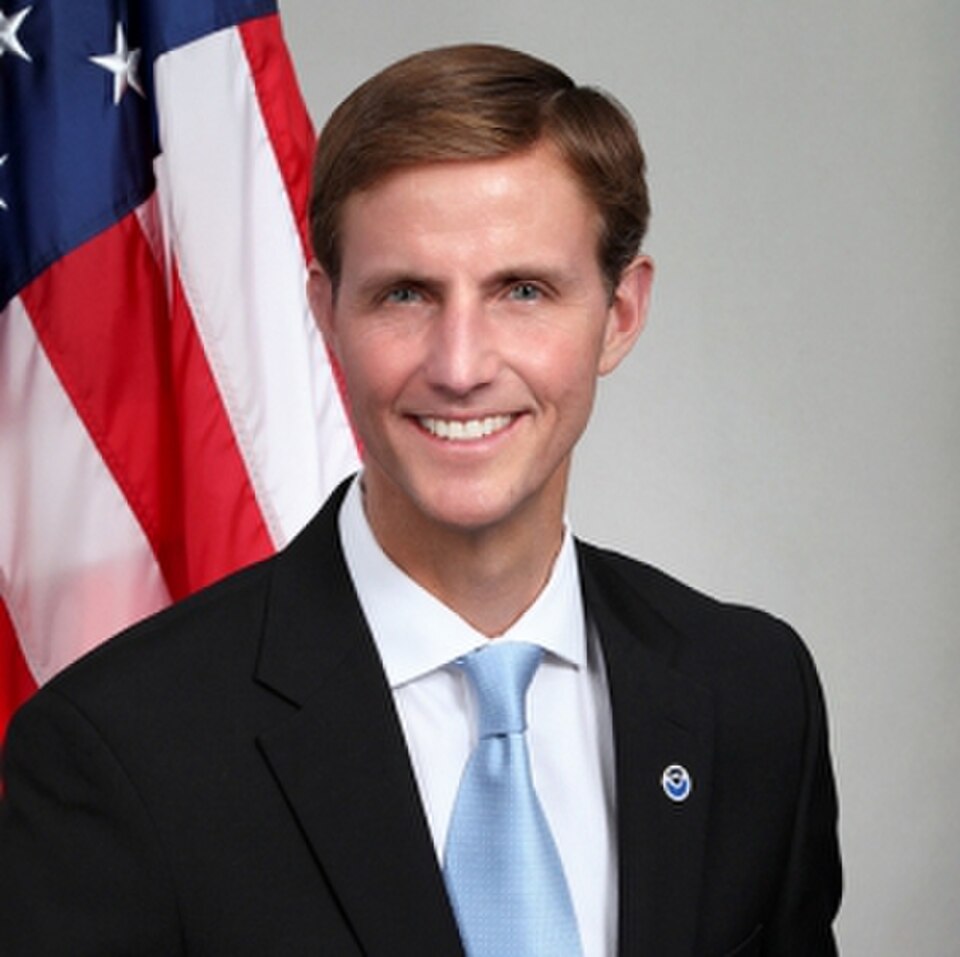
Verbundene Organisationen
The Galileo Project
Vorsitzender Avi Loeb leitet das Galileo Project.
The Sol Foundation
Mehrere Ratsmitglieder sind Gründer oder verbundene Personen der Sol Foundation.
Office of the Director of National Intelligence
Das ODNI hat die breitere Beratungsstruktur bestätigt und koordiniert die staatliche Nachrichtendienstgemeinschaft.
Evidenzbewertung
Der sicher dokumentierte Punkt ist eng, aber institutionell bedeutsam: Benannte Teilnehmer und unabhängige Medien beschreiben UAPSAC als wissenschaftliches Beratungsgremium des staatlichen UAP Governance Board. Diese Rolle bringt externe technische Expertise in Regierungsberatungen ein, gibt dem Rat aber keine Befugnis, Meldungen anzunehmen, Fälle zu klären oder AARO zu leiten.
Der gegenwärtige öffentliche Bestand reicht nicht für eine detaillierte Bewertung der Ratsarbeit. Eine eigene staatliche Satzung, vollständige Ernennungsunterlagen, Sitzungsprotokolle und formelle Empfehlungen wurden nicht gemeinsam veröffentlicht. Teilnehmerberichte zeigen, was Mitglieder nach eigenen Angaben tun sollten; ohne unterstützende Unterlagen zeigen sie nicht, wie Rat eingeholt, geprüft, angenommen oder verworfen wurde.
Die Bewertung muss daher vorläufig bleiben. Der Rat wird besser prüfbar, wenn Auftrag, Regeln zum Umgang mit Interessenkonflikten und nicht sensible Ergebnisse öffentlich werden. Bis dahin beschreiben Verbindungen zu Galileo, Sol oder anderen Stellen personelle Überschneidungen, keine staatliche Billigung ihrer früheren Arbeit.
Umfang und Grenzen
Was die Akten belegen
- Führt eine formell anerkannte wissenschaftliche Beratungsebene in die gegenwärtige UAP-Steuerungsstruktur der Vereinigten Staaten ein.
- Schafft einen Weg, über den akademische und unabhängige Fachleute für Koordination und Aufsicht zuständige Amtsträger beraten können.
- Erlaubt zu prüfen, ob staatliche Konsultation dokumentierte wissenschaftliche Standards hervorbringen kann, ohne Beratungsteilnahme mit einer Billigung persönlicher Ansichten gleichzusetzen.
Grenzen der Interpretation
- Satzung, vollständige Mitgliedschaft, Sitzungsprotokolle und Empfehlungen sind noch nicht über eine eigene offizielle Seite zugänglich.
- Eine Beratungsrolle verleiht keine Untersuchungsbefugnis und belegt nicht, dass die Regierung frühere Schlussfolgerungen eines Mitglieds übernimmt.
Hinweis zur Evidenz: Primäre Regierungsunterlagen bleiben spärlich. Teilnehmerberichte stützen Existenz und beschriebenen Zweck des Rates, ersetzen aber keine veröffentlichte Satzung, Sitzungsakten oder ein offizielles Arbeitsprogramm.
Quellen
Die Quellen sind nach Herkunft geordnet, damit offizielle Unterlagen, die Selbstdarstellung einer Organisation, Forschungspublikationen und unabhängige Analysen unterscheidbar bleiben.
Institutionelle Quellen und Teilnehmerangaben2 Quellen
-
Teilnehmer
Avi Loeb — account of accepting the UAPSAC chair
Bietet die Beschreibung des Ratszwecks durch den Vorsitzenden und seine Begründung für die Teilnahme.
-
Institutionell
Sol Foundation — co-founders named to UAPSAC
Dokumentiert die Mitteilung der Stiftung über verbundene Ratsmitglieder.
Unabhängige Berichterstattung und Analyse1 Quelle
-
Unabhängig
Associated Press — new federal UAP advisory groups
Berichtet über Bildung, Leitung und Stellung des Rates innerhalb der Regierungsstruktur.