NASA UAP Indépendante Study Team
Équipe externe de 16 membres chargée par la NASA de recommander comment l’agence pourrait soutenir de futures recherches rigoureuses sur les PAN.
- Création
- 2022
- Statut
- Achevé
- Pays
- États-Unis
- Organisation de rattachement
- National Aeronautics and Space Administration
- Fin
- 2023
Vue d’ensemble
La NASA a chargé l’UAP Independent Study Team en juin 2022 d’examiner comment les données civiles gouvernementales, les méthodes scientifiques et de futures observations pourraient améliorer l’étude des phénomènes anormaux non identifiés (PAN). Ce groupe externe de 16 membres réunissait des compétences en astronomie, observation de la Terre, aviation, intelligence artificielle, science des données et sécurité publique.
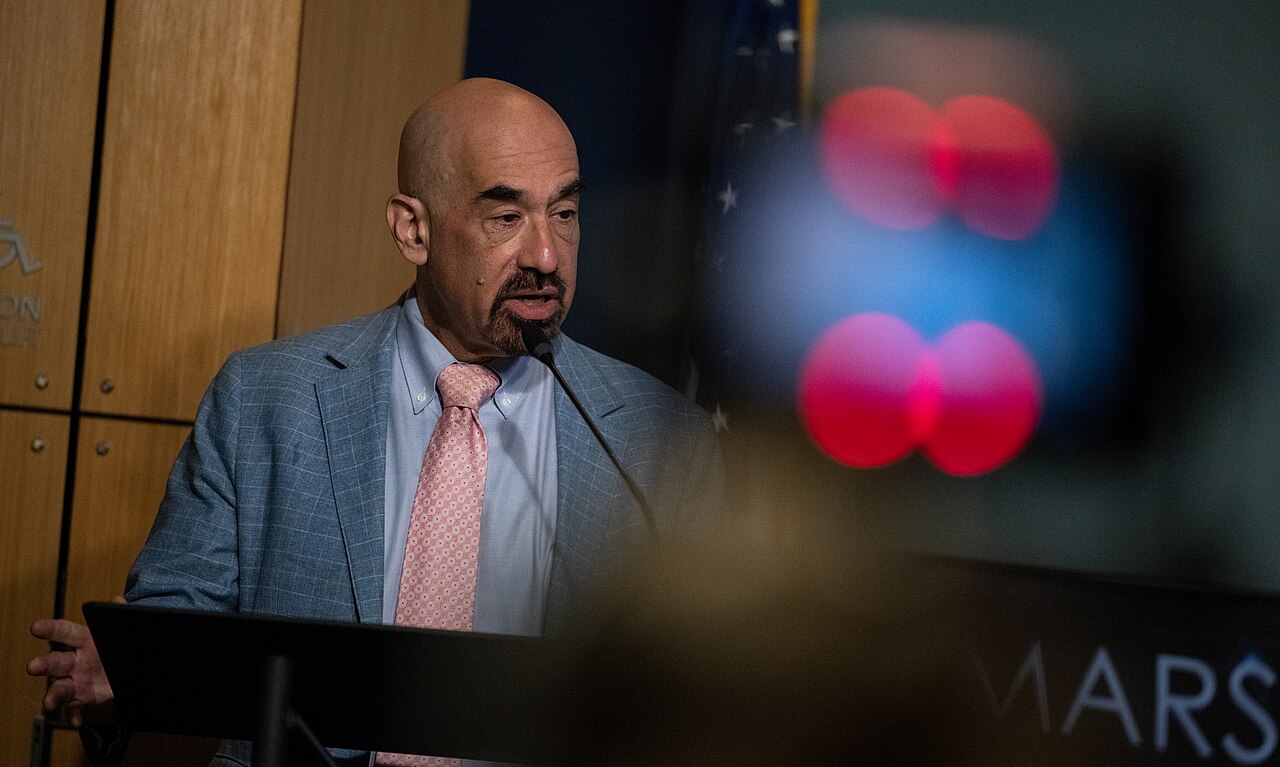
L’équipe n’avait pas pour mission de réexaminer les incidents historiques ni de déterminer si un signalement avait une origine extraordinaire. Son mandat était méthodologique : évaluer l’environnement informationnel, identifier les problèmes de collecte et recommander comment les capacités existantes de la NASA pourraient soutenir de futurs travaux.
Le rapport final, publié le 14 septembre 2023, désignait le mauvais étalonnage, l’absence de métadonnées et l’incohérence des signalements comme les principaux obstacles à l’analyse. Il recommandait une utilisation systématique des moyens de la NASA, l’amélioration des signalements publics, une collaboration avec AARO et l’emploi sélectif d’outils d’apprentissage automatique sur des jeux de données bien caractérisés.
Mission et mandat
- Évaluer quelles données civiles et commerciales pourraient soutenir de futures recherches sur les PAN.
- Recommander une amélioration de la collecte, de la normalisation et de la participation du public.
- Conseiller la NASA sur l’emploi de ses capacités scientifiques, d’observation de la Terre et de sécurité aérienne.
Méthodes et résultats
Méthodes
- Examen de jeux de données civils ouverts et des systèmes de signalement
- Réunions publiques d’experts
- Évaluation et recommandations interdisciplinaires
Principaux résultats
- Rapport final de septembre 2023
- Réunion publique et documents d’information
- Recommandations concernant la poursuite du rôle de la NASA dans la recherche sur les PAN
- Voie de signalement
- N’accepte pas les signalements publics d’observations
- Disponibilité des données
- Rapport final et documents de la réunion publique disponibles
Historique
-
Juin 2022
Commande de l’étude
La NASA a annoncé une étude indépendante centrée sur les données et les méthodes scientifiques, et non sur l’examen des cas historiques. David Spergel a été nommé président et Daniel Evans représentant fédéral désigné de l’agence.
-
24 octobre 2022
Annonce de la composition
La NASA a nommé une équipe de 16 membres issus de la recherche scientifique, de l’aviation, de la technologie, de la communication et de l’analyse d’observations classifiées ou sensibles.
-
31 mai 2023
Réunion publique
Lors d’une séance publique, l’équipe a abordé la qualité des données, la stigmatisation des signalements et les contributions possibles des organismes civils. La réunion a montré à la fois la diversité des sources potentielles et la difficulté de combiner des observations recueillies à des fins différentes.
-
14 septembre 2023
Remise du rapport final
Le groupe a publié ses recommandations et achevé sa période d’étude. La NASA a annoncé séparément la nomination d’un directeur de la recherche sur les PAN chargé de coordonner les activités ultérieures de l’agence.
Résultats et héritage
Étude consultative achevée
L’équipe indépendante n’est plus active. Sa réunion publique, son rapport final et les documents d’accompagnement de la NASA constituent les archives de ses travaux.
Recommandations sur les données et les signalements
Le rapport recommande de meilleures métadonnées, des observations étalonnées et un environnement de signalement réduisant la stigmatisation professionnelle. Il s’agit de recommandations de programme, et non de conclusions sur un objet ou un événement particulier.
Mise en œuvre par l’agence
La NASA a déclaré qu’elle nommerait un directeur de recherche sur les PAN et se coordonnerait avec AARO. Ces activités permanentes de l’agence sont institutionnellement liées à l’équipe indépendante, mais distinctes de celle-ci une fois son étude achevée.
Personnes clés
David Spergel
Président
Astrophysicien qui a dirigé l’équipe d’étude indépendante.
Daniel Evans
Responsable de l’étude à la NASA
A exercé les fonctions de représentant fédéral désigné de la NASA pour l’étude.
Organisations liées
Évaluation des éléments probants
L’équipe d’étude de la NASA a davantage modifié les termes du débat public que les archives des cas. Son rapport traitait les PAN comme un problème de qualité des données, d’étalonnage, de métadonnées et de pratiques de signalement, et demandait comment une agence scientifique civile pouvait améliorer les futures recherches. Le groupe n’a pas étudié l’inventaire historique et n’a pas identifié une nouvelle catégorie d’objets.
Ses recommandations correspondent aux exigences scientifiques ordinaires : définir la question, comprendre comment un capteur a produit une mesure, conserver les données contextuelles et rendre l’analyse reproductible. La participation de la NASA donne à ces principes une visibilité institutionnelle, mais le rapport reste consultatif. Il ne démontre pas que des jeux de données appropriés existent désormais ni que les dispositifs proposés de coordination et de signalement ont été entièrement mis en œuvre.
L’équipe ayant achevé sa mission, elle doit donc être évaluée selon la clarté de son diagnostic méthodologique et les suites données par l’agence. Les affirmations concernant une observation particulière exigent toujours des preuves propres au cas ; le rapport fournit un cadre pour recueillir ces preuves, et non une conclusion anticipée.
Portée et limites
Ce que les archives permettent d’établir
- A introduit une grande agence scientifique civile dans le débat sur les PAN au moyen d’un examen public centré sur les méthodes.
- A placé l’étalonnage, les métadonnées, le contexte des capteurs et la reproductibilité avant les conclusions tirées d’observations lacunaires.
- A établi une distinction pratique entre l’étude des problèmes de signalement et de données et l’affirmation qu’un phénomène physique nouveau a été identifié.
Limites d’interprétation
- L’équipe n’a pas enquêté sur les cas antérieurs et n’a pas constitué de base de données de cas.
- Son rapport est une feuille de route et un document consultatif, non la preuve que la NASA a identifié un nouveau phénomène.
Note sur les éléments probants : Le rapport final décrit comment les PAN pourraient être étudiés plus efficacement ; il ne doit pas être présenté comme une conclusion de la NASA sur l’origine d’un événement particulier.
Sources
Les sources sont regroupées selon leur provenance afin de distinguer les documents officiels, le propre récit de l’organisation, les publications de recherche et les analyses indépendantes.
Documents officiels2 sources
-
Officiel
NASA — ressources de l’étude indépendante sur les PAN
Réunit la lettre de mission, la composition de l’équipe, les réunions et le rapport final.
-
Officiel
NASA — rapport final de l’équipe d’étude indépendante sur les PAN
Expose l’analyse et les recommandations de l’équipe.