
UAP research profile
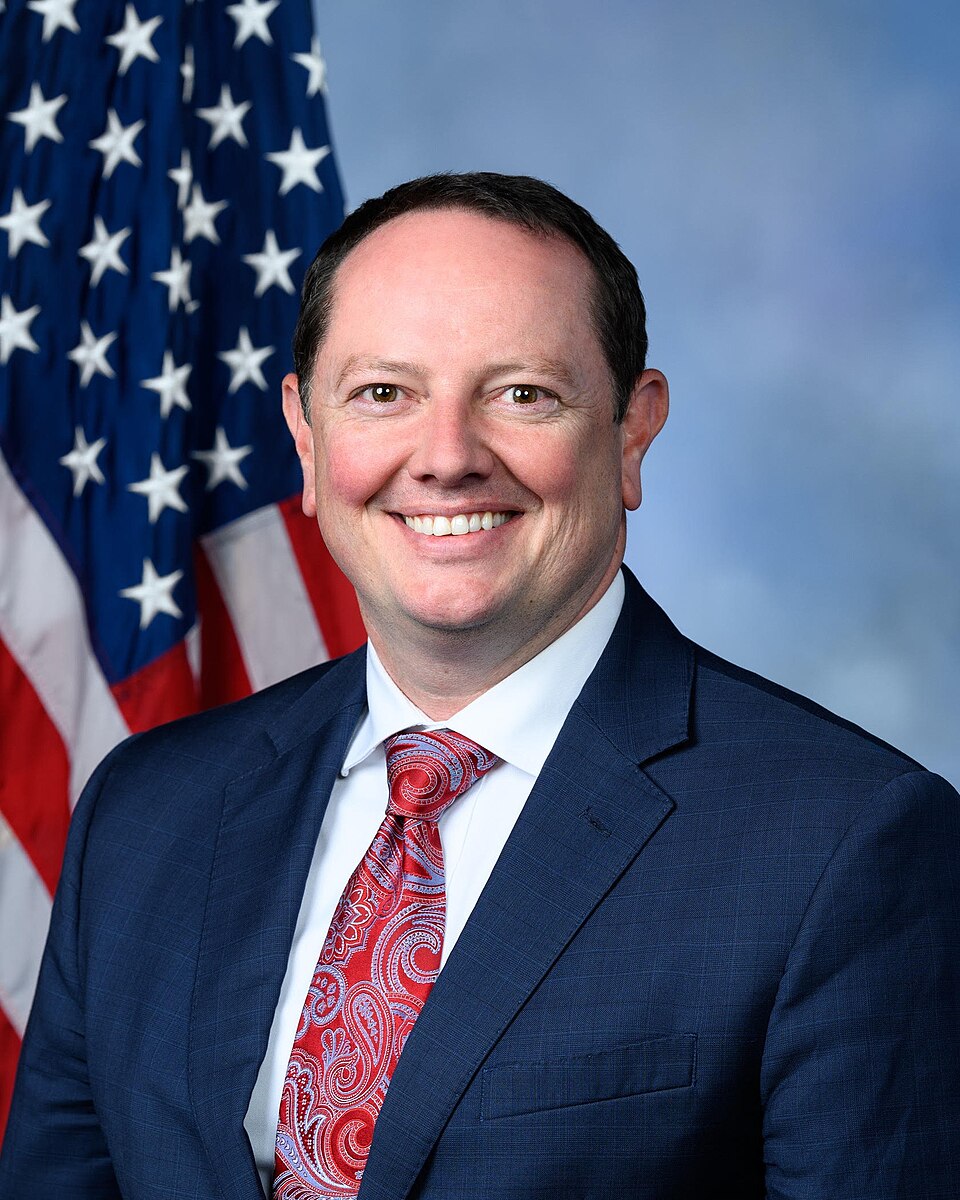
Eric Burlison
U.S. Representative | Congressional UAP oversight and transparency
- TitleU.S. Representative
- Professional domainPolitics / Government
- UAP roleLegislator · Congressional Oversight
- NationalityUnited States
- Active period2023–present
- OrganisationU.S. House of Representatives · House Oversight Committee
U.S. Representative whose UAP work concerns congressional access, military reporting and whistleblower protection.
Biography
Eric Burlison represents Missouri’s 7th Congressional District. He has participated in bipartisan UAP hearings and serves on the House task force pursuing declassification of federal secrets. His public work includes questions about how encounter reports reach investigators and Congress.
Burlison’s involvement is centred on House oversight in Washington, D.C., alongside his representation of Missouri’s 7th District. The September 2025 Capitol Visitor Center hearing provided a public forum for questions about witness access, military reporting and the government’s handling of UAP information. (View the hearing and video.)
Role in the UAP Topic
Burlison has questioned witnesses in hearings and briefings about reporting procedures, government records and protected channels. The task force’s wider declassification remit places UAP among several subjects on which members seek access to federal information.
He was also an original co-sponsor of Burchett’s 2024 UAP Transparency Act. The proposal sought a federal release direction and quarterly progress reports, supplying a legislative route alongside requests for particular records. Bill announcement.
Congressional responsibilities
Burlison’s role gives him routes to request records, question witnesses and propose reporting requirements. The task-force roster and hearing records allow those actions to be traced. They also distinguish a member’s question from the witness’s answer.
His participation in a hearing does not make him the source of every claim heard there. Where a witness alleges a concealed programme or describes an encounter, the account remains attributable to that witness and the records supporting it.
Designing a usable reporting route
The September 2025 exchange with Wiggins identifies a practical reporting problem. An organisation may have a procedure without personnel knowing how to use it or trusting what follows. Wiggins contrasted the confidence of a long-serving veteran with the vulnerability of a sailor early in a career. Committee hearing summary.
This gives oversight several concrete questions: who receives a report, whether it preserves the original account and supporting records, how it moves between agencies, and what happens to the person reporting. Answers would help establish where information is lost or discouraged.
Preserving a report makes an encounter available for investigation. Its interpretation then depends on the event’s own evidence, including timing, sensor context and independent observations. Burlison’s questions about access and documentation address the conditions under which that examination can occur.