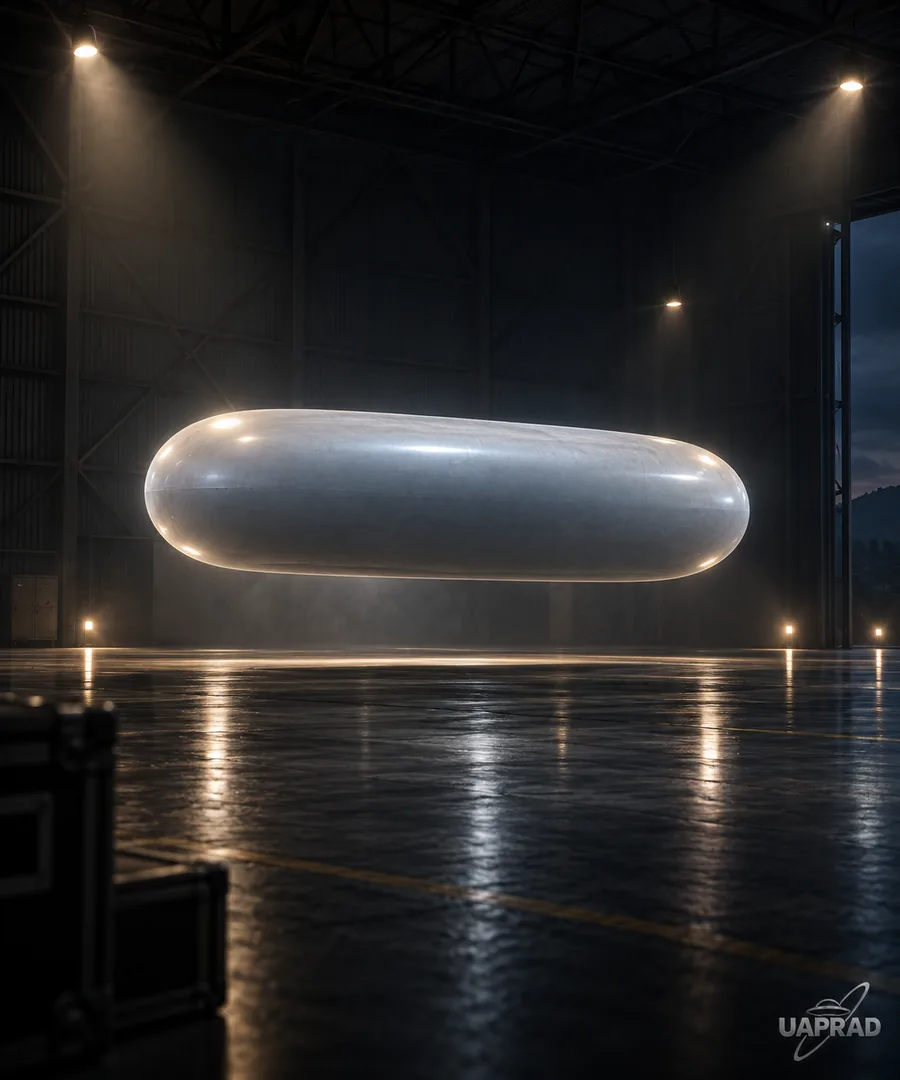
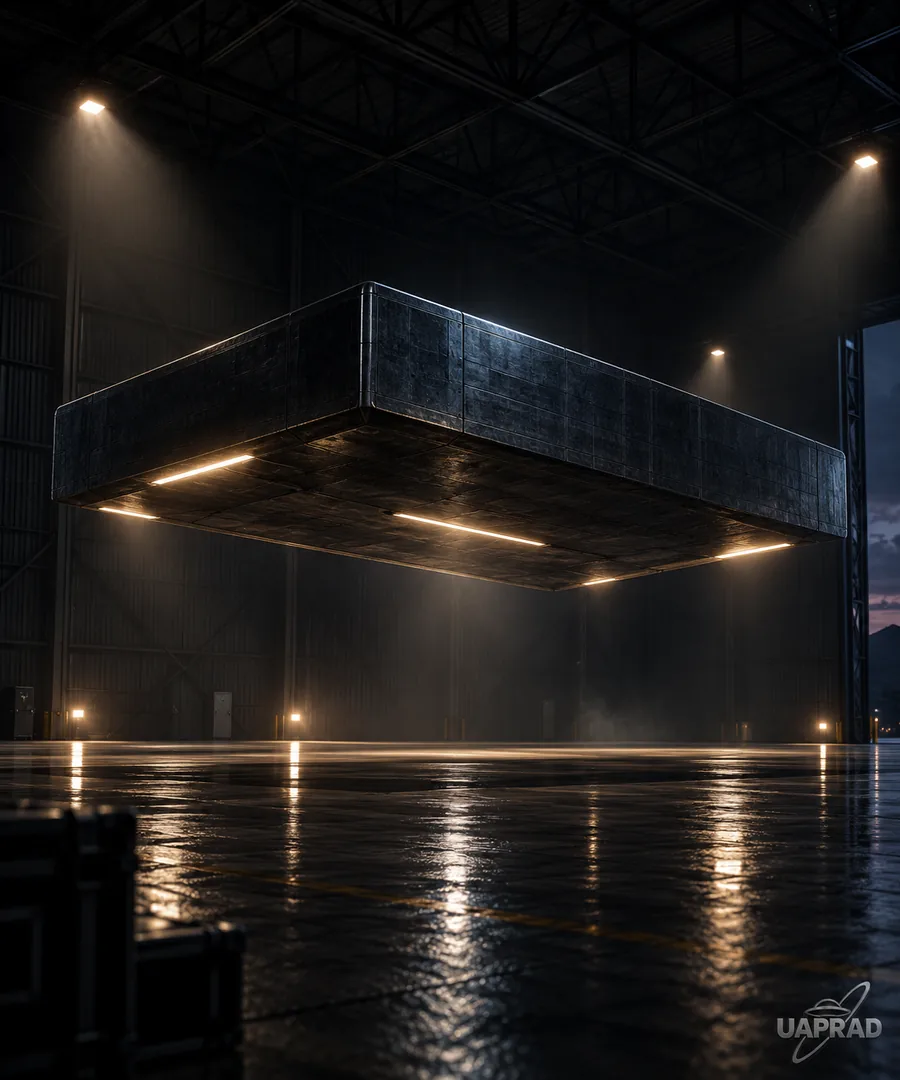
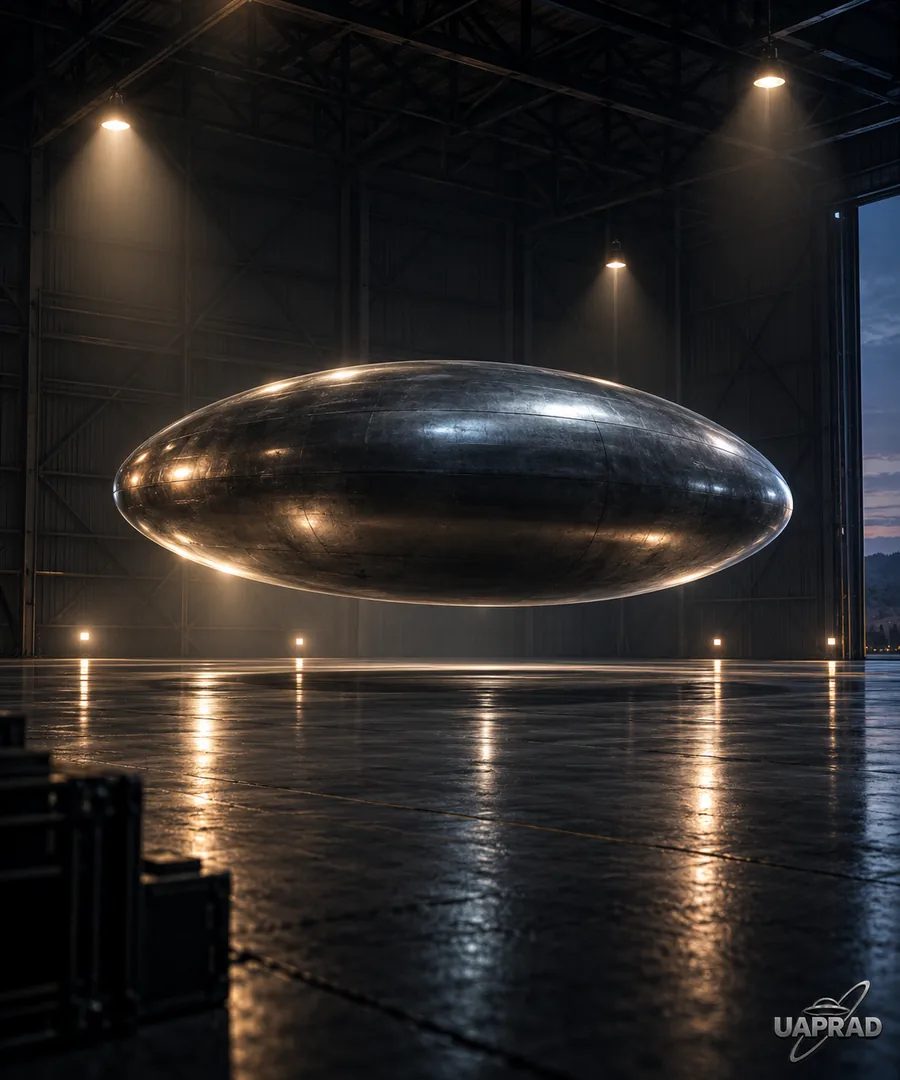
Reported morphology
Cigar / cylinder
Elongated forms described as cylinders, cigars, fuselages or torpedoes.
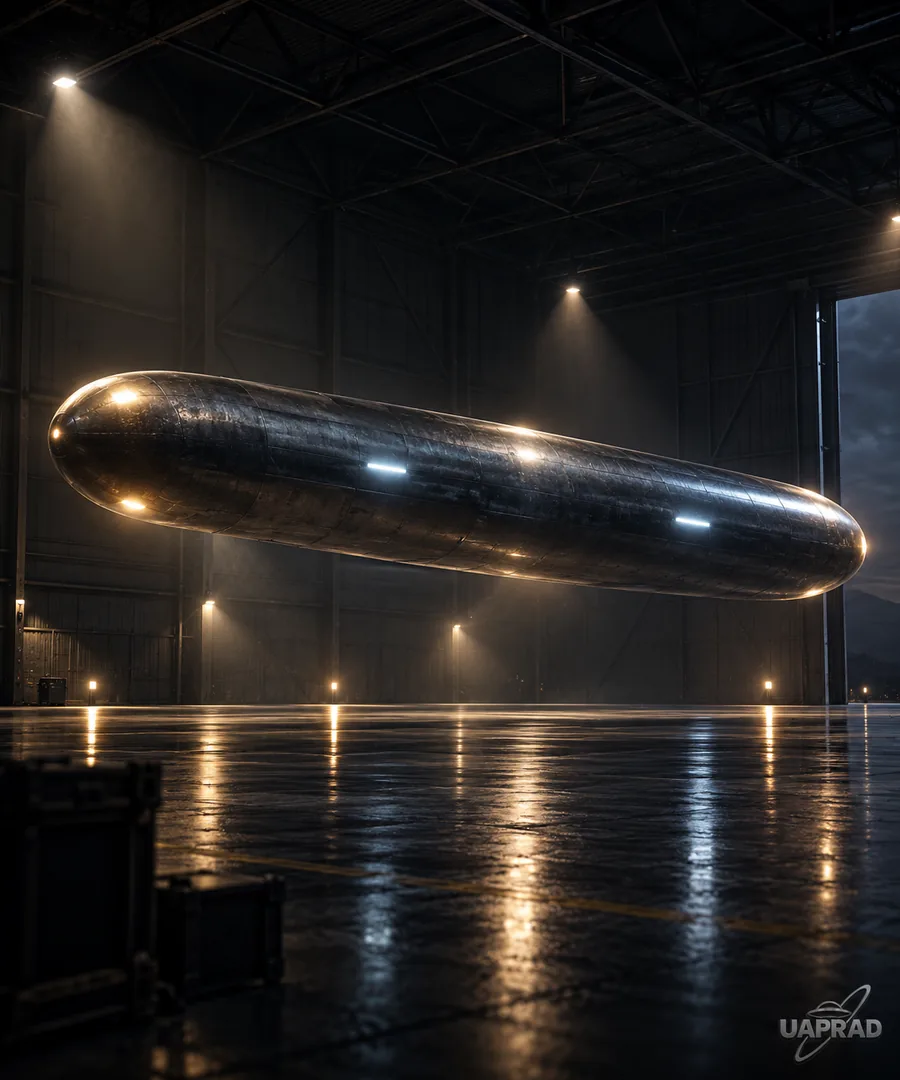
Overview
Cigar and cylinder descriptions appear throughout the historical record, particularly in aviation cases. The same words have been used for objects with very different proportions, illumination and apparent structure.
Observation and identification
A conventional aircraft seen without clear wings, a cloud or an elongated light can all produce a cylinder-like impression. Contemporaneous drawings and information about lighting and motion are particularly important.
The earliest wording, sketches and recordings carry greater evidential weight than later labels or illustrations.
Notable cases
The reported form is material to these cases; the links do not imply a common object or cause.
Public record
These pages document the institutional and historical record associated with the reports.
Key witnesses
Each dossier separates direct observation from later recollection and interpretation.
Evidence assessment
Several aviation cases preserve elongated-object descriptions, but they are separated by decades, setting and evidential quality. Their shared vocabulary supports morphological comparison, not a conclusion that one cylinder phenomenon recurs across the record.
Source library
Sources are grouped by evidential role. A tier records provenance and directness; it does not determine whether a reported interpretation is correct.
Tier 1 Primary records and testimony
- Air Intelligence Report No. 100-203-79 — The report preserves the early Chiles–Whitted description of an elongated object.
Tier 2 Official and institutional records
- Project Blue Book file: Chiles–Whitted — The file records the Air Force investigation and the changing official treatment of the encounter.
Tier 3 Technical and critical analysis
- A Helicopter-UFO Encounter over Ohio — A detailed study of the Coyne crew’s elongated-object report and the evidence available for reconstruction.
- Report on Aerial Phenomena near the Channel Islands — The report analyses Ray Bowyer’s elongated-object observation, geometry and corroborating material.